Services — Design Systems

Design systems for scalable digital products

I build and scale design systems in Figma: colour, type and spacing foundations, variable-based components, documentation and the habits that make teams actually use them. I have owned one end to end for a SaaS platform serving more than 300 dealership clients, and built another from scratch for a consumer app.

FocusDesign systems, component libraries
Based inSantander, Spain · Remote
LanguagesSpanish, English
ToolsFigma, Miro, Notion, Jira

What I do

A design system is the shared source that lets a product grow without falling apart. I audit what exists, define the foundations and build the components, with variants and auto layout that survive real, variable content.

KWS: scaled and rebuilt

At Kaavan I inherited the design system of KWS, a SaaS website builder, and I scaled it and largely rebuilt it with new components and variables while it kept serving hundreds of live sites. It is based on an 8-pixel spacing grid, styles for colour, typography and shadows, and complex components that clients combine into their own blocks, sections and pages.

Multi-brand by design

It is also a multi-brand system: I maintain templates for each client that follow the official brand styles of the car manufacturers and the identity of every dealership group, so the same components adapt to very different brands without breaking.

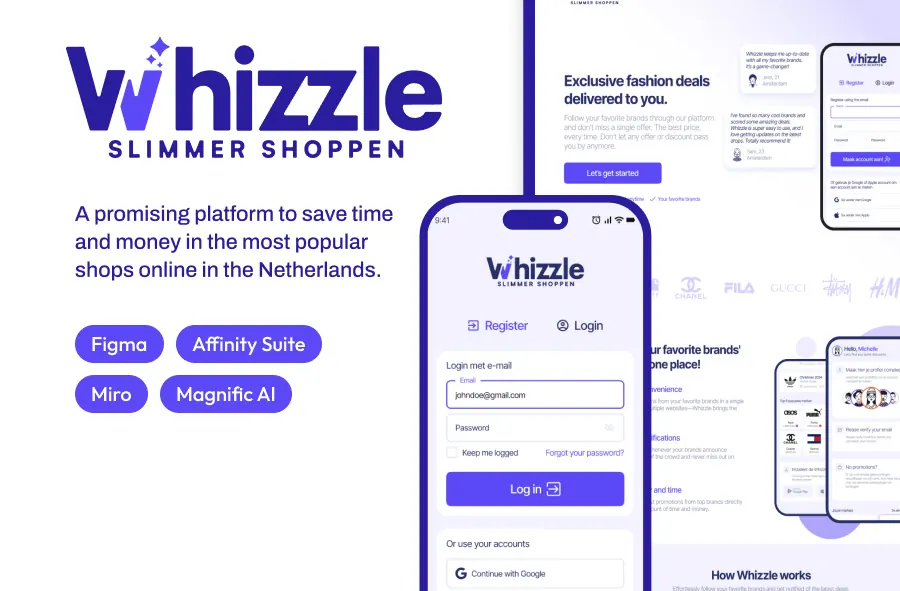
Whizzle: built from scratch

At Whizzle I built a complete design system from scratch for a consumer app, with an 8-point base, light and dark versions, and a brand book, so product and brand shared one visual language from the start.

Structure and way of working

I organise Figma libraries in separate, independent files, with their own libraries for logos, icons and typefaces, and I recommend a mobile-first approach, so the system stays fast to use and easy for developers to translate into code.

Why work with me

I have been on the side that builds and on the side that uses a design system. I know what makes teams adopt one — clear naming, components that survive real content, fast documentation — and what makes them ignore it. That is why the systems I build are practical first and elegant second.

My profile is multidisciplinary: graphic design, branding, UX/UI, product design and design systems. After more than 20 years, I can connect the brand, the interface and the system in one coherent piece of work, collaborating remotely with teams in Spain, Europe and the United States.

If you are looking for a design system designer, a product designer or a lead designer who can own the system and the product around it, let's talk.

Let's talk
20+Years of experience
100+Brands designed
300+Dealership clients served

Who it's for

  • 01Products with several designers or screens that have started to drift apart.
  • 02Development teams that keep rebuilding the same interface pieces and need a shared reference with clear naming and states.
  • 03Companies launching features faster than design can keep up and looking for consistency without slowing down.
  • 04SaaS and B2B platforms that serve many customers or brands and need a multi-brand or white-label system.
  • 05Teams that want a brand and a product to share one visual language, with tokens and variables.
  • 06Startups building their first design system and wanting it to be small, useful and ready to grow.
  • 07Agencies and studios that need a senior designer to structure Figma libraries for a client project.
  • 08Recruiters and hiring managers looking for a senior or lead designer with real design system ownership and a multidisciplinary profile.

How I work

01

Audit

inventory of screens, components and inconsistencies.

02

Foundations

colour, typography, spacing on an 8-pixel grid, shadows and variables.

03

Components

variants, auto layout and states, tested against real content.

04

Documentation

usage rules, naming and examples in Figma.

05

Adoption

handoff to development and a plan to keep the system alive.

What you get

  • 01A Figma library with foundations, styles and variables, including light and dark modes when needed.
  • 02Documented components with variants, states and responsive behaviour, tested with real content.
  • 03Naming and structure that match the front-end, so designers and developers speak the same language.
  • 04Multi-brand or per-client theming through variables, when your product needs it.
  • 05Usage guidelines and examples for designers, developers and marketing teams.
  • 06An audit of the current product with the inconsistencies found and the priorities to fix them.
  • 07A roadmap to extend the system over time and a process to keep it alive.
  • 08Support while your team adopts it, in Spanish or English.

Questions

When does a company need a design system?

When several people design the product, screens start to look different, or development repeats interface work and each new feature takes longer than the last.

Do you build the coded component library?

I design and document the system in Figma and work closely with front-end developers on tokens, naming and specs; the code library itself is built with your development team.

Can you improve an existing system instead of starting again?

Yes. That is often the better route: audit what works, restructure what doesn't and migrate step by step without stopping the product.

Can a design system support several brands or clients?

Yes. With Figma variables and modes, the same components can adapt to different brand styles. I do it for hundreds of dealership templates, each following its own brand.

Do you work with international teams?

Yes. I work remotely with teams and clients in Spain, the Netherlands and across Europe, in Spanish or English, and I am used to asynchronous work and clear documentation.

Related case studies

Is your product outgrowing its design?

Tell me how your team works today and where it hurts.

Let's talk